
When I began work for St. Joseph’s — a small Episcopal Church in Durham, North Carolina — the organization was at an inflection point. A longtime priest had just left the community, and a new priest was beginning her tenure with the hopes of both supporting the small (but engaged) community as well as engaging with the broader neighborhood.
A major part of my work for the church entailed developing effective communications channels for accomplishing both of these simultaneously. The church, up until that point, had not made effective use of some fairly basic communications tools. I helped to develop a system of public-facing social media posts regarding holidays, feasts, and broader community events and resources, as well as a more internally-focused newsletter to help build a more robust sense of community.
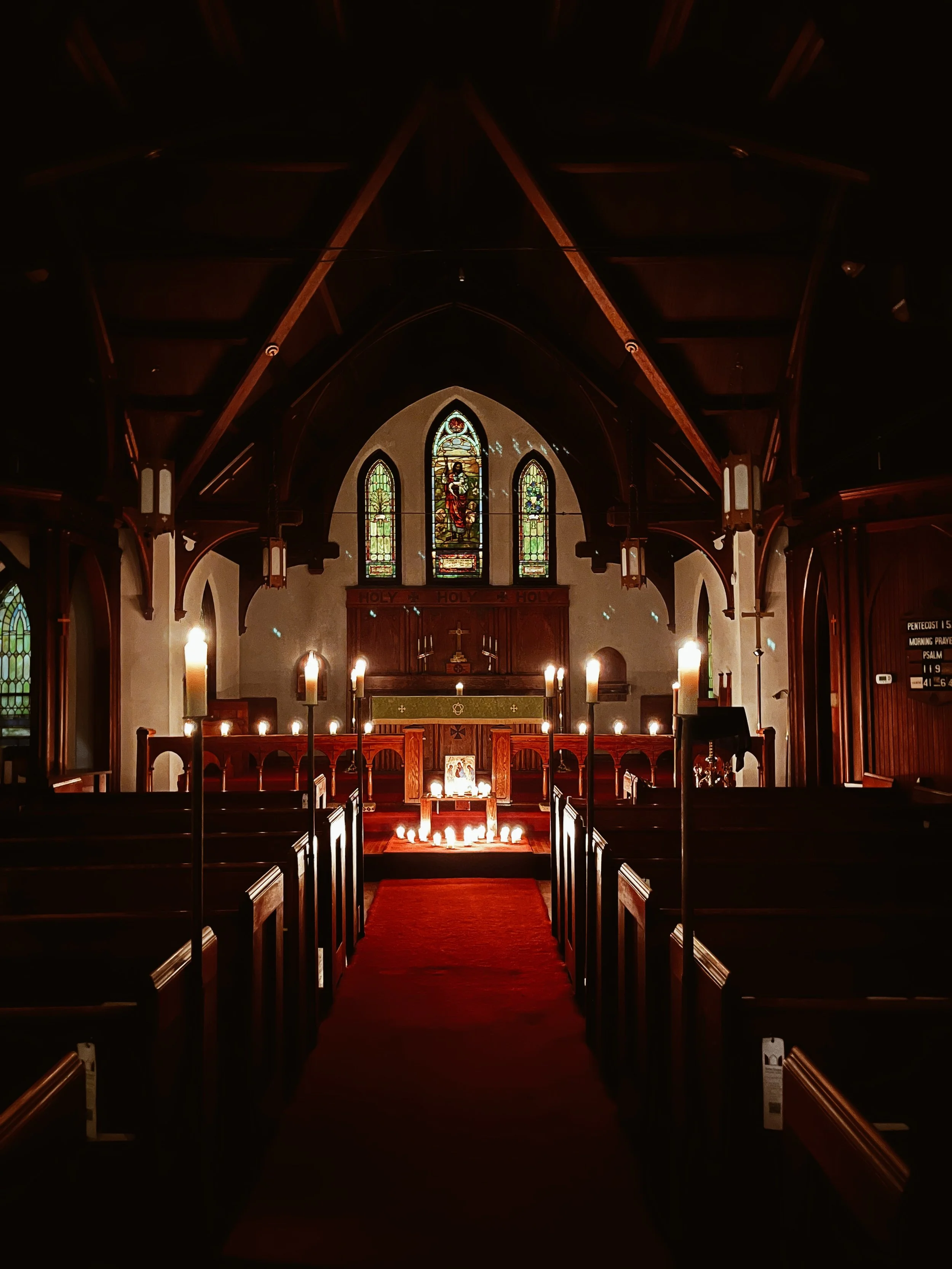
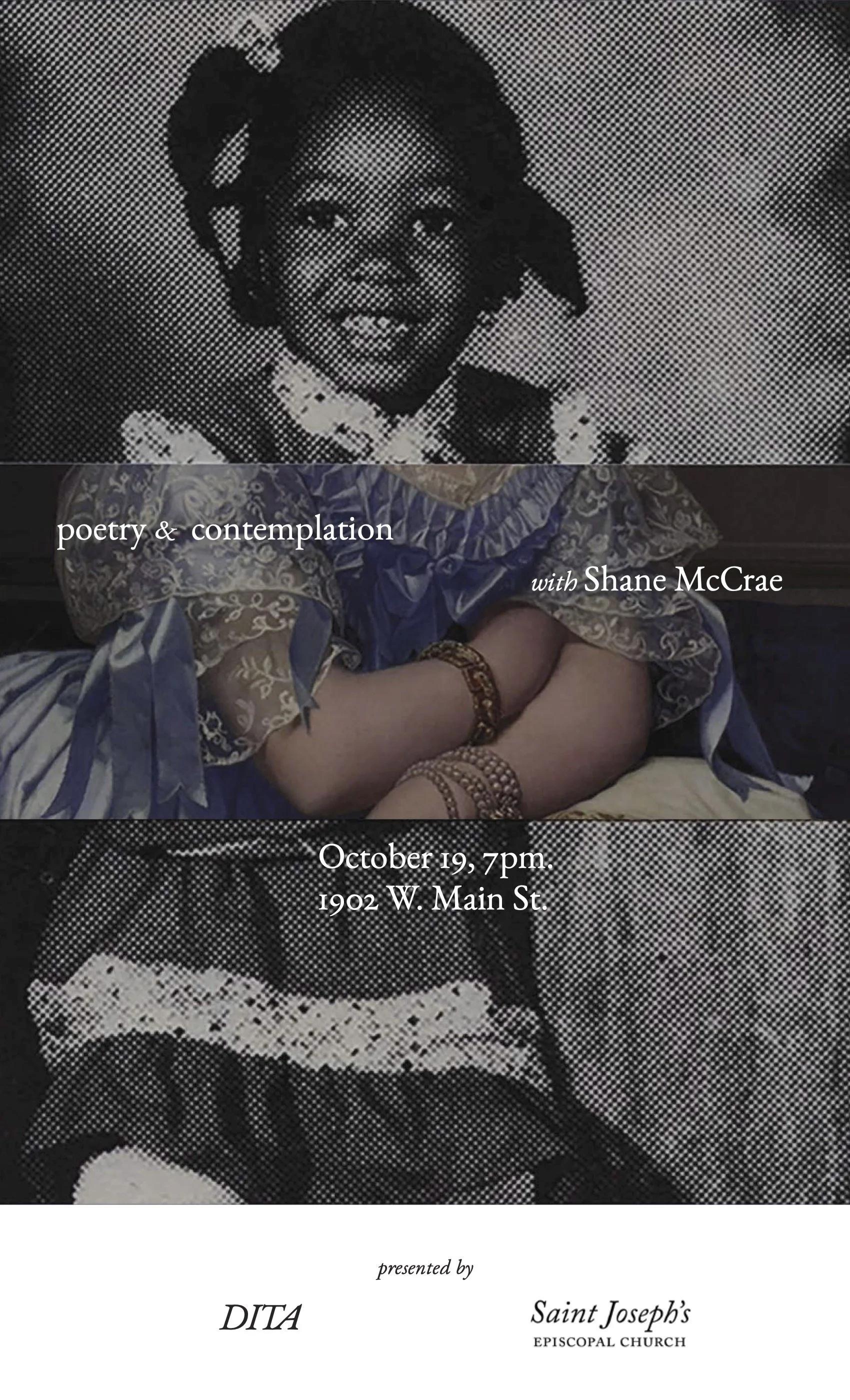
A part of this work entailed a re-working of the graphic identity of the church. I developed new, clearer guidelines for comms — including a set of aesthetic guidelines for digital and physical media, and developing a more coherent ‘brand’ so to speak: logos, consistent fonts, tonal norms, etc.
Another aspect of our communications strategy entailed developing broader community-facing events — especially attuned to the large swathe of Durham residents who might feel uncomfortable about entering into religious spaces. We partnered with mutual-aid organizations to offer free food to folks in need, and threw big parties to celebrate; we hosted lamb roasts and paella bakes and rummage sales in order to welcome folks into the space and to generally be present, supportive neighbors. In addition to thinking through these events and planning them, I developed campaigns for spreading the word about them — mostly through the use of physical media and word-of-mouth, but making information accessible via social channels as well.


St. Joseph’s Instagram